Alive in the Alps: Wood, Wool, and the Hands That Shape Them

Today we explore the handcraft revival in Alpine villages—woodworking, wool, and time‑honored tools—through lived stories, practical techniques, and the quiet courage of makers who kept skills alive when machines grew loud. Breathe resin and lanolin, hear shavings whisper from benches, and join the circle by sharing memories, questions, or photos of pieces that make your home warmer, steadier, and more human.
Forests Into Forms
High slopes teach patience, and the forests answer with timber that rewards careful hands. Spruce sings in instruments, larch stands faithful outdoors, and stone pine carries a scent like fresh bread. Craftspeople select planks by weight, ring pattern, and feel under the plane, trusting winter‑felled logs and slow seasoning. Leave a note about a favorite wood grain that has ever stopped you mid‑step to simply look and listen.
From Fleece to Fireside Warmth
Across ridgelines, sheep graze meadows stitched with stone walls and wind. Spring brings shearing, gentle talk, and steaming bowls carried to pens. Fleece is skirted, washed, carded, then spun into thread that remembers fingers and seasons. Valais Blacknose smiles back from postcards, but real work happens in basins, on wheels, and beside stoves. Share how wool has wrapped your winters, or ask about tools that first turned your head.
On shearing mornings, the valley wakes before sun. Neighbors steady animals with calm hands, scissors whisper, and fleeces open like maps of weather. Good shearers measure more by breath than blade, easing strain with patience. Fresh lanolin perfumes the yard, and someone carries broth along fences for tired wrists. Sorted locks fall into sacks labeled by fineness, crimp, and length, each destined for a different warmth and future shape.
Hand cards align stubborn fibers, transforming chaos into clouds that draft smoothly. The drop spindle teaches rhythm; the wheel rewards it, turning treadle beats into yarn with balanced twist. Two plies bind like old friends, neither overpowering the other. A spinner told us she listens for meltwater while plying, letting the stream’s tempo guide consistency. What did your first scarf teach you about patience, or about letting go?
Color rises from walnut hulls, onion skins, apple bark, and marigold petals, joined by madder or indigo when merchants arrive. Pots barely simmer, and skeins move gently so shades stay even. Families keep notebooks of ratios, altitudes, and seasons, because mountain water changes recipes like a living collaborator. Sustainable foraging matters; beauty should not wound the slope. Which earth‑rooted colors make you instantly feel sheltered and awake?
Tools That Keep Their Edge
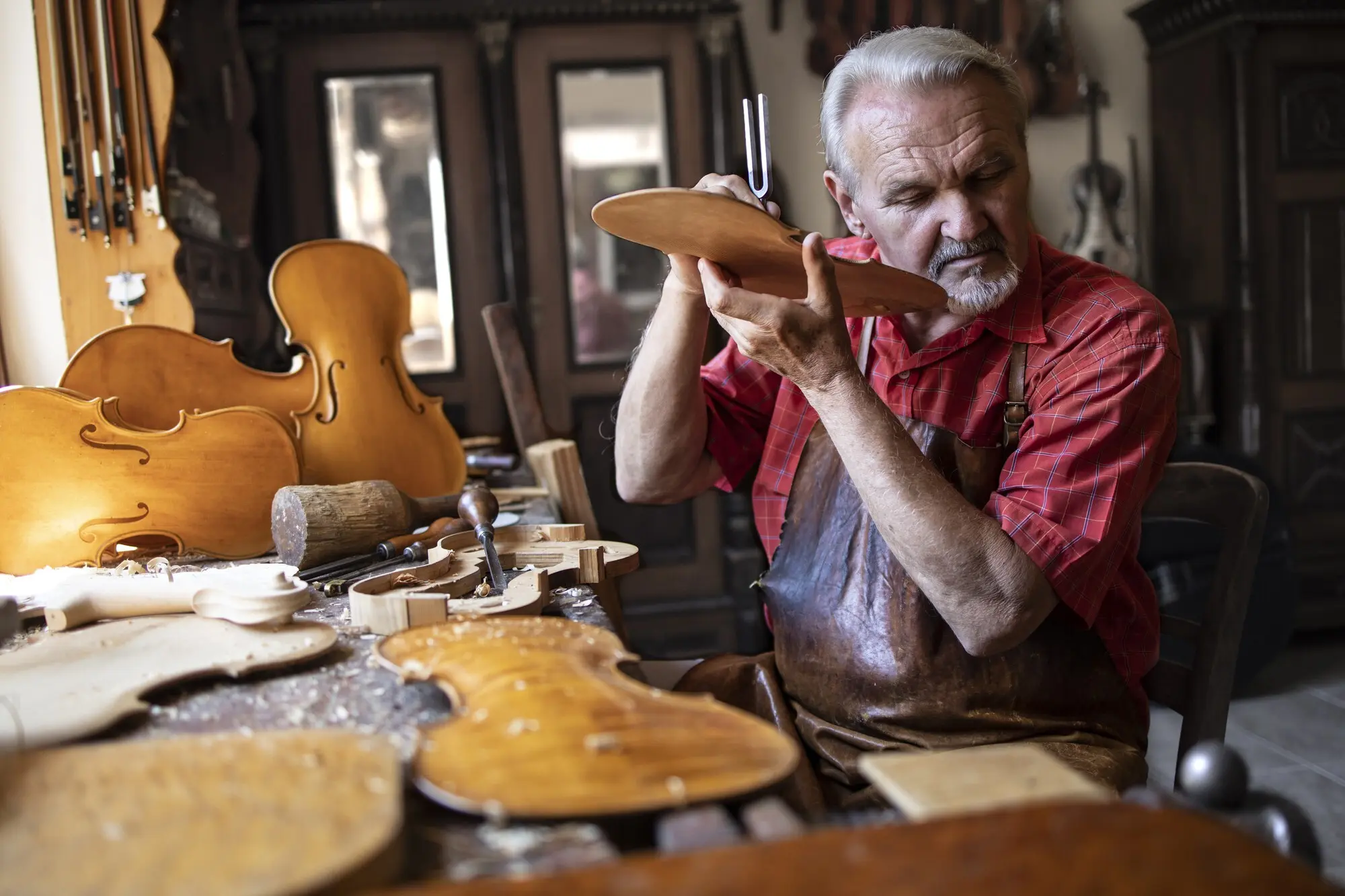
Some tools outlast fads because hands teach them to. Adzes bite green timber, froes split clean along grain, and crosscut saws measure time with every tooth. Looms speak in heddles and shuttles, remembering footfalls from generations past. Edges meet whetstones in evening light, and handles darken where thumbs agree to return. Tell us which heirloom or humble implement changed how you see work, time, or even rest.
Apprenticeship Beside the Stove
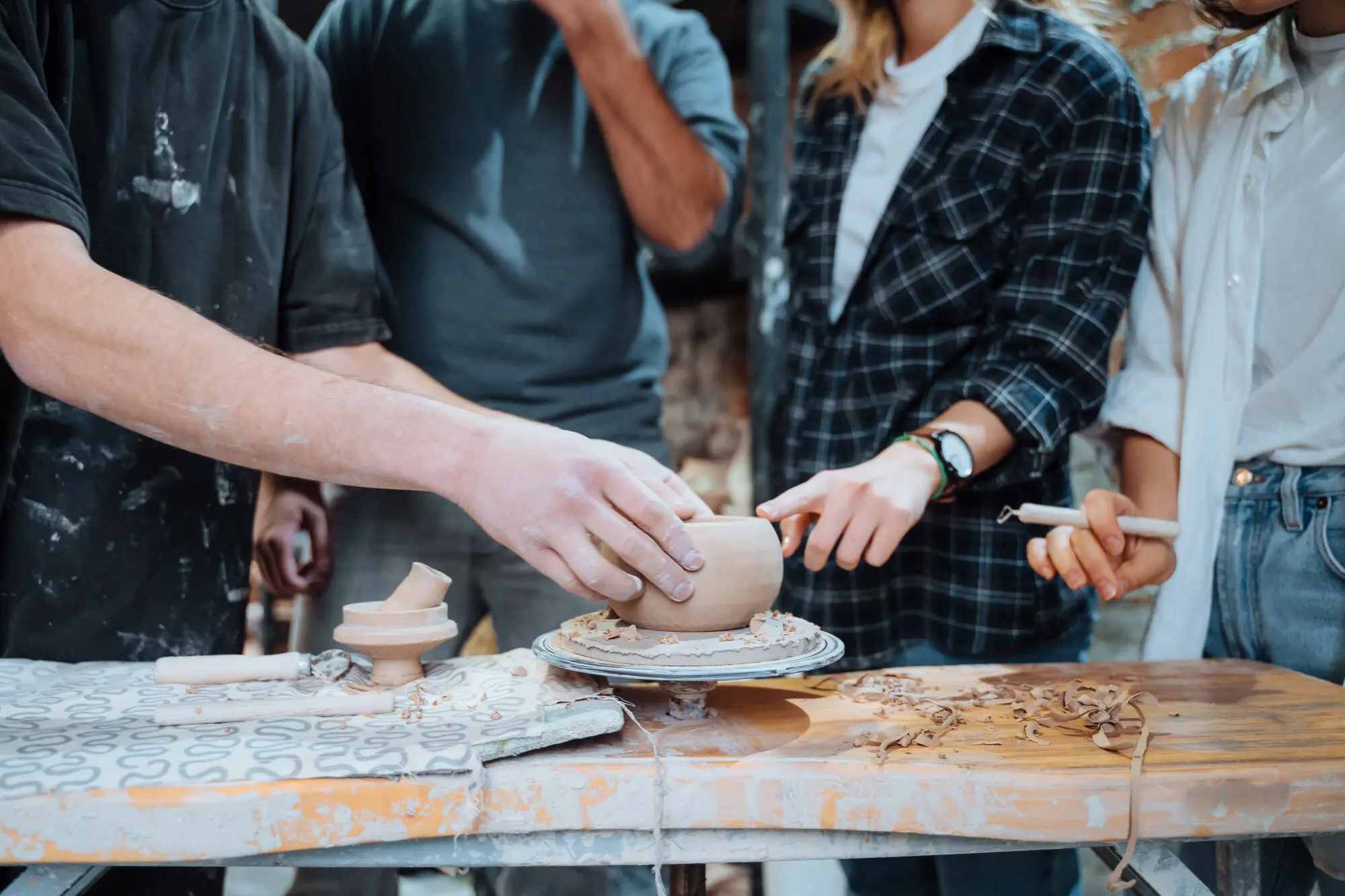
Learning begins with listening. Many recall months of sweeping and observing before tools were offered without guidance. Sharpening becomes a rite, because dull edges waste stories. Mistakes are celebrated for their lessons, and tea refills mark progress better than clocks. One teacher keeps broken test joints on a shelf to honor bravery. Share the lesson you repeat most often when new hands join your table or bench.
Co‑ops and Shared Benches
Shared spaces lower thresholds and raise standards. A fiber mill co‑op scours, cards, and spins village fleeces to consistent counts, while a woodshop library maintains planes and saws for all. Members trade hours, knowledge, and offcuts, making waste smaller and friendships larger. Microloans buy better dust collection and safer lighting. What would a cooperative in your town need first—space, tools, or simply a kettle and a whiteboard?
Furniture with Quiet Confidence
Strong forms do not shout. Chairs with splayed legs and tapered stretchers feel grounded but light, finished in oil and wax that invite palms rather than plastic. Edges break softly where elbows rest. A traveler once sat, then canceled plans to learn why it felt so right. Furniture becomes mentorship when patience is visible. Which detail—grain match, wedge color, or a subtle chamfer—makes your heart slow down?
Wool That Works Year‑Round
Wool breathes, resists flame naturally, and manages moisture like an old mountain path directing streams. Blankets, felt slippers, and simple caps serve winters, yet summer shirts in fine weaves stay comfortable on climbs. Mending nights gather neighbors with tea and laughter, turning repairs into celebration. Share a visible mend you’re proud of, or ask how to reinforce heels before holes appear without stiffening that beloved softness.
Festivals, Trails, and Kitchen Tables
Valleys mark seasons with markets where cowbells mingle with fiddle tunes and the aroma of rye loaves. Wayfinding boards point to open workshops, while trails connect forges, looms, and carving sheds. Respectful travel nourishes makers and landscapes alike, but distance is no barrier; virtual tours and letters keep kinship alive. Subscribe, comment, or request a map, and we’ll help you plan a path from screen to doorstep.

All Rights Reserved.